Where to Get Fresh and Flavorful Jamaican Food in Denver
@collinbiux077
September 24, 2026 · 14 min read
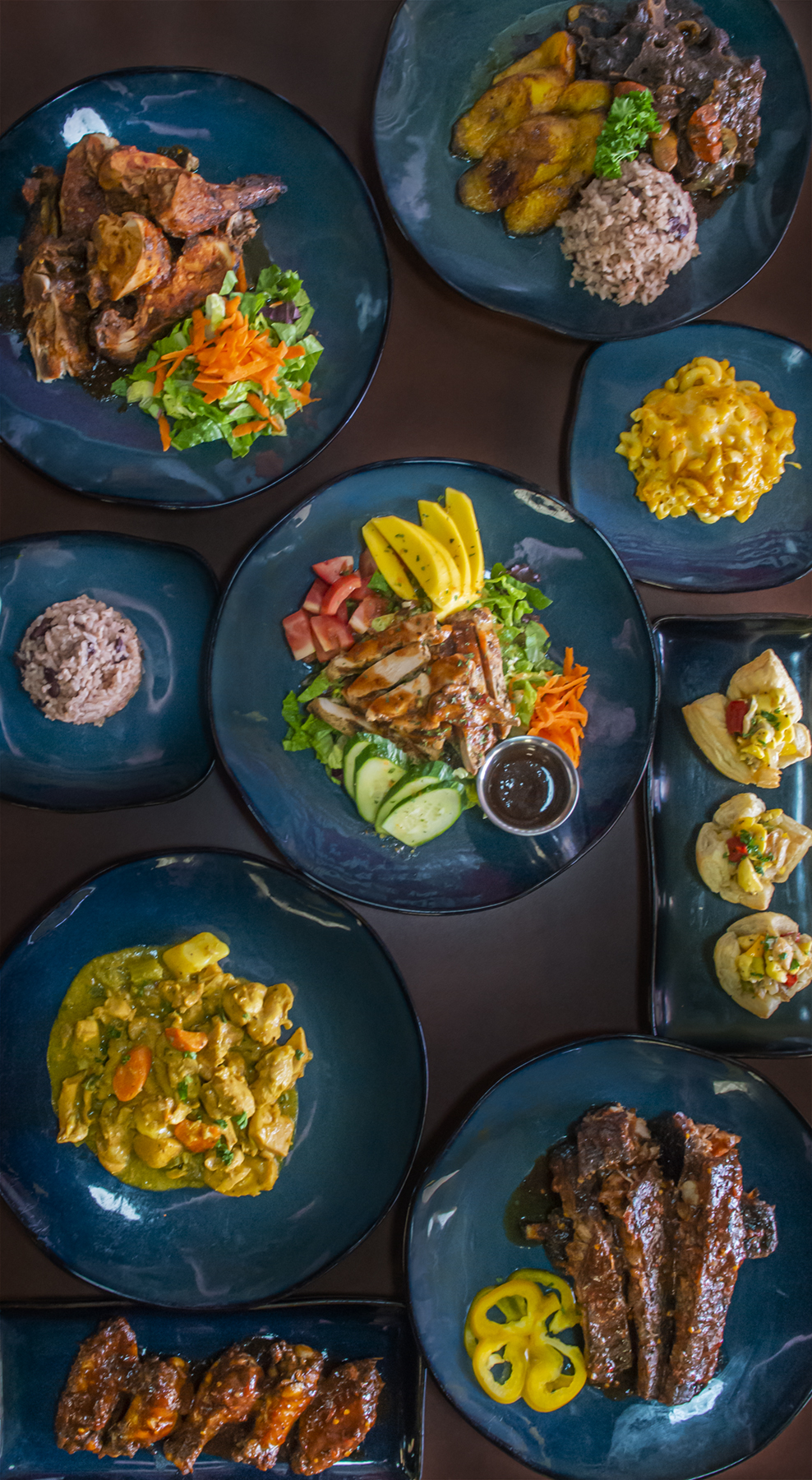
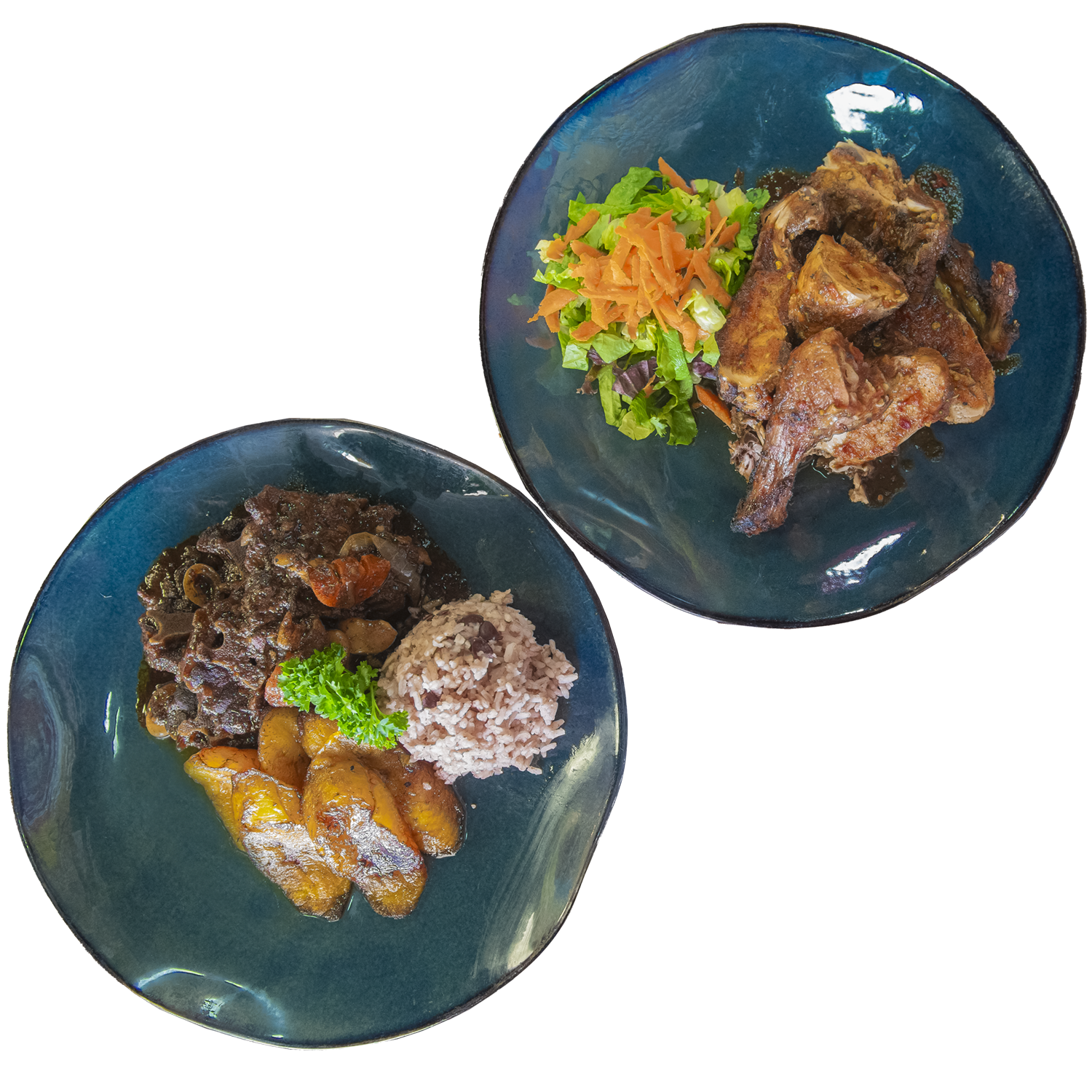
Denver is not the first American city people associate with Jamaican cooking. New York, South Florida, and parts of New Jersey have deeper, older Caribbean restaurant scenes, and you can feel that density the minute you start eating around those places. Denver’s Jamaican food landscape is smaller, more spread out, and a little harder to read from the outside. That is exactly why it rewards a more deliberate approach.
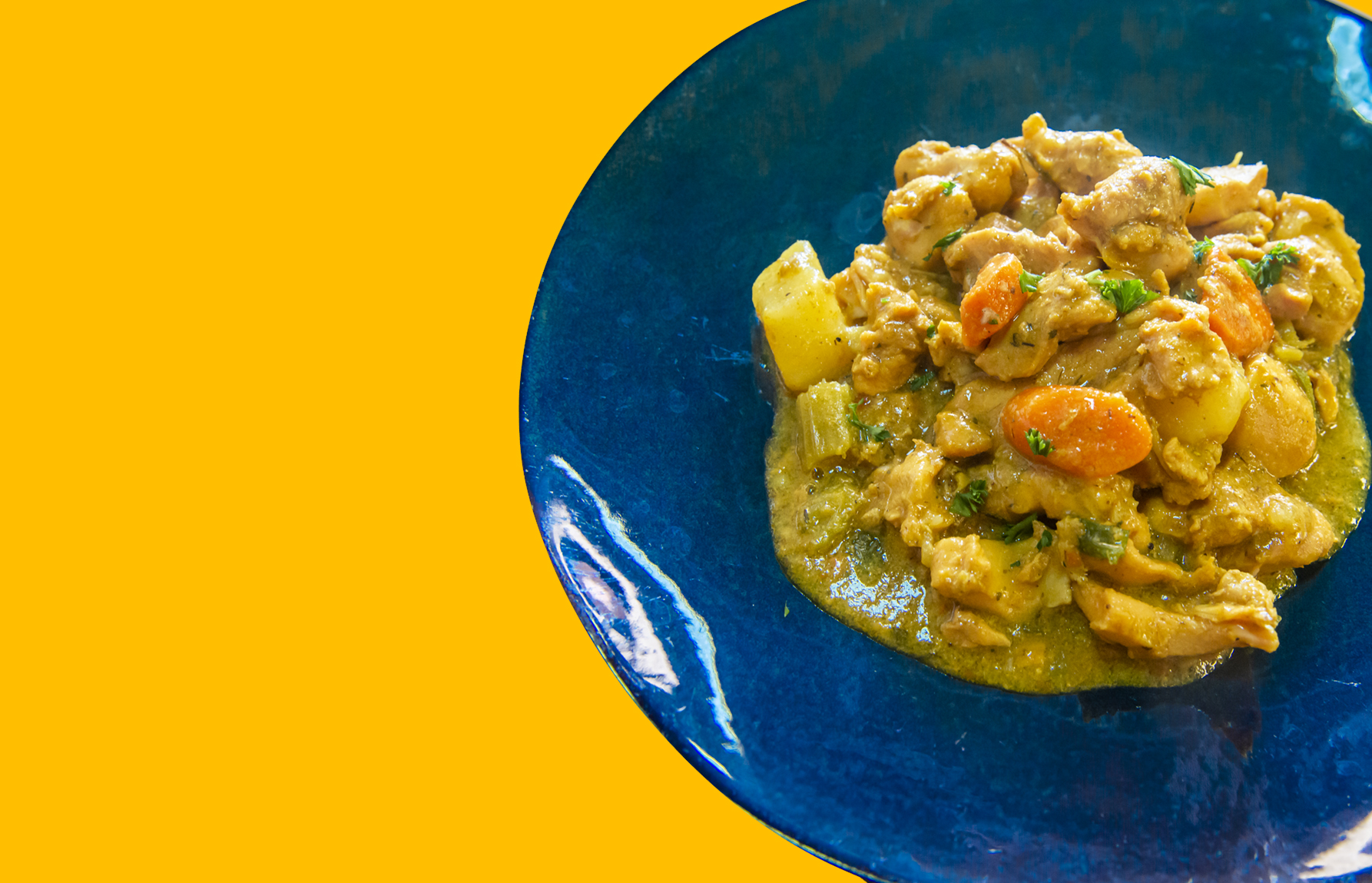
If you are looking for fresh and flavorful Jamaican food in Denver, the best meals usually come from kitchens that do not try to flatten the cuisine into a generic idea of “island food.” The good places take time with the braises, respect the heat in jerk, season rice and peas properly, and understand that texture matters as much as spice. Oxtail should not taste like pot roast with allspice sprinkled on top. Curry goat should not be watery. Jerk chicken should not be simply grilled chicken with sweet heat sauce.
Denver can absolutely deliver those notes, but you have to know how to look.
The first thing to understand about Denver’s Jamaican food scene
The search for great jamaican food denver style often leads outside the downtown core. That is not a knock on central Denver. It is just the practical reality of how many immigrant-owned food businesses grow here. Some of the strongest Caribbean cooking in the metro area shows up in neighborhood strip centers, shared commercial spaces, weekend pop-ups, and modest dining rooms in Aurora and other nearby communities.
That matters because expectations shape the experience. If you are waiting for a polished, high-design restaurant with a page of rum flights and a curated playlist, you may miss the places cooking the best cabbage, the deepest gravy, or the most convincing escovitch. In this category, a handwritten special board can be a very good sign.
Freshness also looks different in Jamaican restaurants than it does in, say, a salad-driven lunch spot. A great Jamaican kitchen may be working from slow-cooked batches, but those batches should still taste vivid. The herbs should show up. The meat should hold structure. The steam table should not dull the edges of the dish. The food should feel like it was made by people who expect it to be eaten that day, not reheated for three.
What “fresh and flavorful” means in Jamaican cooking
People often use those words loosely, especially in restaurant writing, but they are worth pinning down here.
Freshness in Jamaican food is not about delicacy. A plate can be dark, rich, and intensely seasoned while still tasting fresh. You notice it in the brightness of thyme and scallion, in the clean heat of Scotch bonnet, in the way fried plantains still have caramelized edges instead of collapsing into sugary mush. Even heavier dishes benefit from that contrast. Oxtail needs richness, yes, but it also needs lift from browning, pepper, and herbs. Curry goat should carry spice fragrance, not just salt and fat.
Flavorful, in the Jamaican context, usually means layered rather than loud. The best bites often start with aromatics, move into heat, then settle into savory depth. A lot of casual diners focus only on whether jerk is spicy enough. Heat matters, but it is only one part of the profile. Smoke, allspice, ginger, garlic, pimento, onion, thyme, and char all have jobs to do.
Once you know that, it becomes easier to judge where to spend your money.
Where Denver tends to hide its best Jamaican meals
A polished downtown dining district is not usually where Denver’s most satisfying Jamaican plates turn up. More often, they are found in parts of the city and metro area where independent operators can afford to build a loyal local following before they build a broad one. Aurora deserves special attention here. It has become one of the metro’s most interesting food corridors because it supports immigrant-owned restaurants that cook for nearby communities first and trend-chasing diners second.
That tends to be a healthy setup for Jamaican food. Restaurants rooted in a community do not need to sand off every strong flavor for broad appeal. They can keep the gravy dark, let the jerk run hot, and serve side dishes that actually belong on the plate. Rice and peas, cabbage, fried plantains, festival, and beef patties are not filler. In a good shop, they complete the meal.
You may also find excellent Jamaican cooking in crossover Caribbean spots. Some restaurants identify more broadly as Caribbean or island food and still produce strong Jamaican staples. The key is not the label on the storefront. It is whether the kitchen understands the specifics of the dishes. A broad Caribbean menu can be a strength if the cooking has real conviction. It can also be a warning sign if the place is trying to cover too much ground with frozen ingredients and bottled sauces.
How to tell if a Jamaican restaurant is worth the drive
Menus tell you something, but not everything. The more useful clues are operational.
A strong Jamaican kitchen often has a short list of proteins it does very well, and certain items may run out. That is not always convenient, but it is usually better than a bloated menu where nothing gets enough care. If a restaurant has jerk chicken, curry goat, oxtail, brown stew chicken, patties, and maybe one or two seafood dishes that regulars clearly order, that can be a very good https://rowanoyjy508.opalvector.com/posts/jamaican-food-in-denver-top-menus-packed-with-caribbean-flavor sign. If there are twenty-seven entrées ranging from barbecue ribs to shrimp alfredo to “Caribbean tacos,” caution is warranted.
You can also learn a lot from the sides. Rice and peas should have personality. Cabbage should taste seasoned, not boiled into submission. Mac and cheese, where offered, should feel like a deliberate addition rather than a concession. Plantains should be sweet and browned, but not greasy. These details often separate memorable restaurants from merely competent ones.
Timing matters too. Lunch can be the sweet spot in many Denver-area Jamaican places because the turnover is strong and the day’s batches are still at their peak. Late-afternoon visits can be excellent as well, especially when you catch a place in rhythm, but the dead middle between rushes sometimes produces food that has sat a touch too long under heat.
The dishes most likely to tell you whether a place is the real thing
If you only have one visit to judge a restaurant, order strategically. Some dishes reveal skill faster than others.
- Jerk chicken shows seasoning balance, char, and restraint with sweetness.
- Oxtail shows patience, stock work, and whether gravy has depth.
- Curry goat shows spice handling and whether the meat is cooked properly.
- Rice and peas shows attention to sides, which often predicts the rest of the meal.
- Beef patties show pastry quality, filling moisture, and overall kitchen care.
Jerk chicken is the obvious test, but not always the most foolproof one. In some kitchens, jerk is tailored for broad appeal and loses its edge. Oxtail is often the better benchmark because shortcuts are harder to hide. When it is right, the sauce coats the rice instead of flooding it, and the meat gives way without turning stringy. Curry goat is similarly revealing. A well-made version has body and perfume. A poor one tastes muddy or thin.
Patties deserve more respect than they usually get. A good patty can tell you whether a restaurant understands small-format food with the same seriousness as large plates. The crust should be tender and flaky, not dry and chalky. The filling should be seasoned enough to stand on its own.
The case for going beyond jerk
A lot of first-time customers order jerk chicken and stop there. That is understandable, but it narrows the field too much. Jamaican cooking is bigger than its most exported dish, and some Denver-area restaurants are stronger with braises and stews than with live-fire flavors.
Brown stew chicken, for example, is often underrated. When made well, it has deep savory notes and a silky sauce that soaks beautifully into rice and peas. It is less flashy than jerk, but it often shows the everyday intelligence of the kitchen. Curry goat can be the most balanced dish on the menu if the spice mix is layered and the meat is handled correctly. Oxtail, though typically more expensive, can be the most satisfying order in the room.
Then there are the supporting players. Fried ripe plantains bring sweetness that offsets the salt and heat of main dishes. Steamed cabbage, when properly seasoned, gives relief and structure to the plate. Festival, where available, adds a lightly sweet, crisp contrast that makes spicy meats even better. These are not afterthoughts. They are part of why a Jamaican meal feels complete rather than one-note.
What Denver diners sometimes get wrong
There is a habit, especially in cities where Caribbean food is still niche, of judging authenticity by blunt markers. People ask whether the food is spicy enough, whether reggae is playing, or whether the jerk is “crazy hot.” Those are shallow tests.
A better question is whether the food tastes intentional. Is the chicken marinated thoroughly, or just painted with sauce? Does the gravy taste cooked, or assembled? Do the sides belong? Is the plate balanced? Good Jamaican food carries confidence. It does not need theatrical heat or oversized portions to make its point.
Another common mistake is expecting every dish to arrive with the speed of counter-service fast food. Some Jamaican restaurants move at their own pace, particularly small family-run operations handling takeout, catering, and in-house dining at the same time. That delay can be frustrating, but it is not automatically a red flag. Sometimes it means the kitchen is doing things the slow way because that is the right way.
Patience helps. So does ordering with purpose.
A practical way to search for great Jamaican food in Denver
If you are serious about finding the best Jamaican food in the Denver area, it helps to think like a local eater rather than a tourist. Search patterns matter. So does reading between the lines of customer feedback.
Use reviews to identify consistency, not hype. When people mention the same dishes over and over, that is meaningful. If ten reviewers mention tender oxtail, strong patties, or jerk that actually tastes smoky, pay attention. If every review talks more about music, murals, or cocktails than food, that tells you something too.
Here is a practical filter that works well:
- Start with places whose core menu is clearly Jamaican or Caribbean-led.
- Prioritize spots where regulars mention specific dishes, not vague praise.
- Go at lunch or early dinner, when turnover is strongest.
- Order one benchmark entrée and at least one side that tests the kitchen.
- If the first visit is strong, come back for a different dish before declaring a favorite.
That last step matters more than people think. Some restaurants live and die by one signature item. Others are balanced across the menu. The place with the city’s best jerk might have average curry goat. The quiet family-run restaurant with no social media presence might serve the deepest oxtail in the metro. One meal can point you in the right direction, but a second meal tells you if the kitchen has range.
The price question, and what good value looks like
Jamaican food can confuse diners on price if they have never paid attention to the labor involved. Oxtail, in particular, is not cheap anymore. Neither is goat. If you see those dishes priced higher than chicken entrées, that is normal. The better measure of value is portion integrity and cooking quality.
A plate is worth the money when the meat is properly cooked, the sides feel considered, and leftovers still eat well the next day. Jamaican food, especially stewed and braised dishes, often holds beautifully overnight. A generous oxtail plate that stretches into a second meal can be better value than a cheaper entrée that tastes tired before you leave the parking lot.
There is also value in freshness of turnover. A busy spot that sells out of favorites by evening may occasionally disappoint late arrivals, but that sellout pattern often means the food is being cooked with discipline. I would rather hear “we’re out of oxtail today” than get a plate that tastes like it has been carried over too long.
Takeout versus dining in
For Jamaican food in Denver, takeout is often the default, and that is not a bad thing. Many of these dishes travel well. Braises and curries can be excellent fifteen or twenty minutes later. In fact, the rice sometimes absorbs sauce more fully on the ride home, making the meal even more cohesive.
That said, a few items are best eaten quickly. Jerk chicken loses some of its edge if trapped too long in a container. Fried plantains can steam themselves soft. Patties are much better when the crust still has structure. If you are ordering takeout, it can be smart to prioritize oxtail, curry goat, brown stew chicken, and sides that hold their texture. Save patties and crispy items for when you can eat them right away.
Dining in has one major advantage beyond immediacy. It gives you a clearer sense of what the restaurant values. You can see what regulars are ordering, how often certain dishes leave the kitchen, and whether the room feels like a neighborhood fixture or a generic stop. Those cues matter, especially in a food scene where word of mouth still does a lot of the work.
What a really good Jamaican plate should feel like
A strong Jamaican meal is not polished in the French sense, and it does not need to be. It should feel abundant, aromatic, and grounded. The meat should have history in it, meaning you can taste marinating, simmering, smoke, or browning, not just final seasoning. The rice should be more than a base. The vegetables should offer contrast, not obligation.
There is also an emotional component that experienced diners recognize quickly. The best Jamaican food has a kind of generosity built into it. Even when the plate is simple, it feels complete. Nothing essential is missing. You do not have to chase flavor with hot sauce packets or ask for extra gravy to wake things up. The meal arrives already resolved.
That quality is rare in any cuisine. When you find it in Denver, it is worth remembering the address.
The best way to build your own Denver rotation
Because the Jamaican scene here is smaller than in larger Caribbean hubs, the smartest approach is not to crown a single “best” spot and stop searching. Build a rotation instead.
You might have one place you trust for jerk chicken, another for oxtail, and a third for patties or lunch specials. That is normal in a developing food scene. Restaurants evolve, cooks change, menus tighten, and one kitchen may surge while another plateaus. Keeping a few reliable options gives you a better chance of landing the meal you actually want on a given day.
It also helps to be flexible about geography. Some of the strongest answers to the question of where to get fresh and flavorful Jamaican food in Denver are technically in the wider metro area rather than right in the middle of the city. If the food is seasoned properly, cooked with patience, and worth the drive, that distinction does not matter much once you open the container.
A final note for first-timers
If you are new to Jamaican food and want the safest high-reward order, start with jerk chicken or brown stew chicken, rice and peas, plantains, and either cabbage or a patty on the side. That gives you a full picture of the kitchen without chasing the most expensive entrée first. On your next visit, move into oxtail or curry goat.
And if a restaurant has a crowd of regulars ordering with certainty, trust that signal. In a city like Denver, where great Jamaican food still requires a little intention to find, the places that inspire loyalty usually earn it the old-fashioned way, by serving food that tastes alive, balanced, and unmistakably made by people who know exactly what they are doing.
Reggae Pot Jamaican Grill
Address: 2243 S Monaco St Pkwy #104, Denver, CO 80222
Phone number: +17204102956
FAQ About Jamaican Food Denver
What is typical Jamaican food?
Typical Jamaican food features bold, vibrant flavors created by blending African, Taino, European, and Asian influences.
What is a famous Jamaican dish?
Ackee and saltfish is Jamaica's national dish, made by sautéing the soft local ackee fruit with salted cod, onions, tomatoes, and spicy Scotch bonnet peppers.
What food is most popular in Jamaica?
The most popular and famous food in Jamaica is Jerk Chicken, celebrated worldwide for its smoky, spicy flavor.