Southern Restaurant Pittsburgh, PA: A Taste of Tradition
@collinbiux077
October 8, 2026 · 14 min read
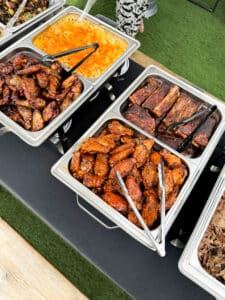

Pittsburgh has always been a city that understands hearty food. Steel-town appetites were built on long shifts, cold winters, and meals that needed to satisfy more than a https://zionxmzd287.ironwoodscope.com/posts/southern-restaurant-pittsburgh-pa-must-try-menu-favorites passing craving. That is one reason Southern cooking feels so at home here. When people search for a southern restaurant Pittsburgh, PA, they are usually after more than a plate of fried chicken or a side of mac and cheese. They want food with memory in it, food that carries family habits, regional technique, and a sense of welcome that starts before the first bite.
Done well, Southern food is not just rich. It is careful. Greens need time. Cornbread needs judgment. Fried fish, catfish especially, demands hot oil and restraint. Shrimp and grits can turn from elegant to gluey in minutes if the cook loses focus. Biscuits tell the truth faster than almost any item on a menu. They reveal whether a kitchen respects texture, temperature, and timing.
That is what makes the rise of Southern cooking in Pittsburgh so interesting. It is not enough to borrow the look of Southern food or stack a plate with familiar names. A strong Southern restaurant earns trust through execution. In a city with a growing dining culture and a public willing to travel for flavor, there is real room for restaurants that bring the South’s depth to Western Pennsylvania.
Why Southern food resonates in Pittsburgh
The connection makes sense once you spend time in both food traditions. Pittsburgh’s classic comfort dishes and Southern cooking both value thrift, flavor, and generosity. They grew from working-class roots and home kitchens that could not afford waste. Tough cuts became tender through patience. Beans became meals. Gravy stretched breakfast. Pickles, relishes, and preserves carried seasons forward.
That shared practical spirit matters. It explains why dishes like smothered pork chops, collard greens, candied yams, black-eyed peas, and baked chicken do not feel foreign here. They feel familiar, even when prepared with region-specific seasoning. Pittsburgh diners respond to food that tastes grounded. A plate that arrives hot, fragrant, and abundant still has power in this city.
There is also a social piece to it. Southern dining traditions often revolve around gathering, passing dishes, and taking your time. That style of eating works well in Pittsburgh neighborhoods where local restaurants still matter and regulars return week after week. People remember where they had the best cornbread, who seasons their greens with balance, and which dining room feels warm even on a gray February evening.
What separates a real Southern restaurant from a themed menu
A lot of restaurants can offer one or two Southern-leaning dishes. That does not automatically make them a Southern restaurant. In Pittsburgh, as anywhere else, the difference shows up in the details.
First, the menu should have a point of view. Southern cooking is broad, not monolithic. Lowcountry food is not the same as Tennessee-style meat-and-three cooking. Creole and Cajun traditions differ from Appalachian Southern food. Texas barbecue lives in a separate conversation from a Carolinas smokehouse. A thoughtful restaurant knows its lane, or at least acknowledges the influences it is blending.
Second, sides matter as much as mains. Many disappointing places treat sides as filler. In serious Southern kitchens, sides carry the meal. Mac and cheese should not be bland and stiff. Green beans should not taste like an afterthought. Rice should be properly cooked, not just spooned onto a plate for volume. Slaw needs brightness. Potato salad needs personality. The side dishes often determine whether guests come back.
Third, hospitality has to match the food. Southern dining culture has a reputation for warmth, and that reputation was earned. Service does not have to be formal, but it should feel attentive and easy. Good Southern restaurants know that comfort starts with pacing, eye contact, and a room that encourages people to settle in.
A diner looking for a dependable southern restaurant Pittsburgh, PA can usually judge quality by paying attention to a few signs:
- The kitchen handles seasoning with confidence, not just salt, but acid, spice, smoke, and sweetness in balance.
- Fried items arrive crisp and dry, never greasy or limp.
- Signature staples such as biscuits, cornbread, greens, or grits show care and consistency.
- The menu reflects a clear regional influence instead of a random collection of buzzword dishes.
- The atmosphere feels welcoming without leaning on caricature or nostalgia as a substitute for quality.
Those markers sound simple, but they are hard to fake for long.
The dishes that define the experience
If you want to understand a Southern restaurant, order across categories. One entrée rarely tells the whole story. The strongest kitchens perform well with fried food, braised items, starches, vegetables, and desserts. Southern cuisine is broad because it grew from many places and communities, but a few dishes remain reliable benchmarks.
Fried chicken sits at the center of the conversation for a reason. A great version has seasoned meat, a crust that clings, and a clear contrast between crisp skin and juicy interior. The seasoning should not stop at the breading. If the chicken itself tastes flat, the dish never recovers. In restaurants, consistency is the real challenge. Producing one excellent batch is easy compared with turning out tender, crisp chicken throughout a busy dinner rush.
Shrimp and grits is another test. Many kitchens get the shrimp right and fail on the grits. Proper grits should taste like corn, butter, and stock or dairy, depending on the style, with a texture that is smooth but still alive. They should not slump like paste or sit in a bowl like wet cement. When this dish is done with smoked sausage, tomato gravy, or a little heat, it becomes one of the clearest examples of Southern cooking’s balance between comfort and sharpness.
Catfish deserves more attention in Pittsburgh than it often gets. At a good Southern restaurant, it can be one of the menu’s most honest items. Catfish asks for clean handling and exact frying. Too little seasoning and it tastes dull. Too much coating and the fish disappears. The right plate arrives hot, with a crackling crust, perhaps a squeeze of lemon, maybe tartar sauce or remoulade, and sides that do not compete with the fish.
Then there are the braised dishes, often less flashy and more revealing. Oxtails, smothered chicken, short ribs, or turkey wings can show a kitchen’s patience better than any fryer. Southern food is not only about crunch and indulgence. It is also about stewardship of time. Pot liquor from greens, drippings worked into gravy, beans simmered with smoked meat, these are slow flavors, and diners can taste the difference.
Dessert closes the loop. Banana pudding, peach cobbler, bread pudding, sweet potato pie, and pound cake each say something about the kitchen. A good dessert at a Southern restaurant should feel finished, not obligatory. It should carry forward the restaurant’s voice, whether that means deep vanilla, warm spice, browned butter, caramelized fruit, or flaky pastry.
Regional influences matter more than people think
One mistake diners sometimes make is assuming all Southern food should taste the same. It should not. The South is too large, too varied, and too shaped by migration, agriculture, and cultural exchange for that. A restaurant in Pittsburgh may draw from Mississippi Delta cooking, Georgia soul food traditions, Louisiana Creole flavors, or Carolinas smoke and vinegar. Those distinctions affect everything from spice level to starch choices to the role of seafood.
That matters because expectation shapes satisfaction. Someone hoping for hush puppies, fried okra, and sweet tea might walk into a place focused on gumbo, red beans and rice, and étouffée. Another guest might expect barbecue and find a menu built around home-style meat-and-three plates. Neither restaurant is wrong, but the experience changes based on the regional lens.
The best operators usually make this clear through naming, menu writing, or signature dishes. They do not need long explanations. A handful of well-chosen items can tell diners what kind of Southern story the kitchen is telling. In Pittsburgh, where many guests are curious but not always deeply familiar with regional Southern distinctions, that clarity helps.
What Pittsburgh diners should expect when they go out
Dining expectations have shifted everywhere over the last several years, and Southern restaurants are no exception. Portions may still be generous, but ingredient costs have pushed menus upward. Quality frying oil, good poultry, smoked meats, shellfish, and dairy-heavy sides are not cheap. A restaurant trying to maintain standards in Pittsburgh has to balance comfort-food expectations with the economics of modern service.
That can create tension. Some diners still expect Southern food to be inexpensive because its roots are humble. The reality is more complicated. Labor-intensive cooking does not stay cheap once it enters a restaurant setting. Biscuits mixed fresh, greens washed and simmered properly, gravies finished to order, and meats smoked or braised over hours all add labor before a single table sits down.
So what should a guest look for beyond price? Value, not just quantity. A plate can be generous and still feel careless. Another can be modest but deeply satisfying because every component is cooked with skill. At a strong Southern restaurant, you should taste intention. The seasoning should have a clear hand behind it. The textures should make sense together. The meal should feel comforting without becoming heavy for its own sake.
Service also plays a bigger role than many people realize. Southern food can hit hard if everything arrives at once and sits too long. Fried items lose their edge. Gravy skins over. Biscuits cool fast. Good pacing preserves quality. That is why the best restaurants train their front and back of house to work in rhythm.
The role of atmosphere in a Southern restaurant
Atmosphere can help, but it should never do the heavy lifting. Mason jars, rustic wood, porch references, and old-time signage can create charm, yet none of them matter if the kitchen misses. Some of the most convincing Southern meals are served in simple rooms with minimal décor. What counts is whether the place feels comfortable enough to stay and honest enough to trust.
Music matters. So does volume. Lighting matters too, especially for comfort-driven food that benefits from warmth rather than glare. Seating should support groups because Southern food naturally invites sharing, even when guests order individual plates. Restaurants that get this right tend to attract families, date-night diners, and solo regulars all at once.
Pittsburgh responds well to authenticity, but authenticity in restaurants is tricky. It should mean coherence and care, not performance. A Southern restaurant does not need to imitate another state’s architecture or dialect to feel credible. It needs to respect the cuisine. That can happen in a polished dining room, a neighborhood storefront, a counter-service space, or a casual spot attached to a bar. The format matters less than the clarity of the vision.
How to order if it is your first visit
First-time guests often overcommit and end up with a table full of rich food that blurs together. Southern menus reward strategy. A balanced order lets each dish speak.
A smart first meal often includes one fried item, one braised or sauced dish, two or three sides with contrast, and one dessert to share. If the restaurant offers biscuits or cornbread made in-house, that is usually worth trying because bread reveals standards quickly. Pair a heavier entrée with something sharp or vegetal, perhaps slaw, greens, or pickled vegetables, so the meal keeps its shape.
If you are dining with a group, variety pays off. Southern food is ideal for shared tasting because textures, sauces, and sides can move from person to person. One guest may discover that the standout is not the fried chicken but the lima beans, or the yams, or the rice gravy under the pork chop. That is part of the pleasure.
For visitors exploring a southern restaurant Pittsburgh, PA for the first time, a practical approach works best:
- Start with the house specialty rather than the most familiar item on the menu.
- Order at least one side the table would not normally choose, because side dishes often hold the restaurant’s strongest flavors.
- Ask how spicy or sweet the kitchen tends to run, especially with sauces and tea.
- Save room for dessert, even if only one serving for the table.
- If barbecue is on the menu, notice whether it feels central to the restaurant or simply included, because that affects what to expect.
Those small decisions can turn a decent meal into a memorable one.
Why technique matters more than nostalgia
Southern food is often wrapped in emotion, and fairly so. Many people connect it with grandparents, Sunday dinners, church gatherings, road trips, or homecomings. But in a restaurant, memory only gets you through the door. Technique gets you back.
Take collard greens. People talk about “homestyle” greens as if they happen automatically. They do not. Greens need proper washing, controlled simmering, enough seasoning to develop character, and enough restraint to avoid collapse into bitterness or mush. Cornbread presents the same issue. Some guests prefer sweeter styles, others want a more savory skillet bread. Either can work, but dry cornbread is hard to excuse.
Mac and cheese is another trap. Diners expect comfort, but restaurant mac and cheese often turns grainy from broken sauce or dull from timid seasoning. The good versions understand balance, sharp cheese, creamy body, browned edges if baked, and pasta that still has integrity. This is technique disguised as comfort.
The same logic applies to sauce work, frying, and smoke. A restaurant that respects Southern food as craft rather than just category usually stands out quickly. Pittsburgh diners are increasingly skilled at recognizing that distinction. The city’s dining public has broadened its palate over the years, and that benefits cuisines that rely on discipline as much as flavor.
A place for tradition, and room for interpretation
One of the healthiest trends in American dining has been the willingness to let regional cuisines travel without freezing them in place. Southern food belongs in Pittsburgh not because it should mimic another city exactly, but because good cooks can honor the tradition while responding to local context.
That might mean sourcing from Pennsylvania farms when possible. It might mean adjusting menus for seasonality, using local greens, regional produce, or nearby dairy. It might also mean acknowledging Pittsburgh’s own tastes, perhaps a stronger appetite for sandwiches, smoked meats, or substantial lunch plates. Adaptation is not betrayal when it is done with respect.
The line gets crossed when restaurants strip Southern food down to cliché. If every dish leans on sugar, excess breading, or oversized portions without nuance, the cuisine gets flattened. Real Southern cooking has brightness, bitterness, tang, smoke, tenderness, and heat. It can be celebratory, but it also has subtlety.
That is why the best Southern restaurants in Pittsburgh, or anywhere else, tend to build loyal followings slowly. Word spreads through office lunches, family dinners, neighborhood recommendations, and repeated cravings. People go back for the chicken, then realize the greens are better than they remembered. They return for brunch and discover the biscuits. They bring friends for dessert. Over time, the restaurant becomes part of the city’s own food story.
What makes the search worthwhile
Finding the right southern restaurant Pittsburgh, PA is rewarding because Southern food, at its best, meets people where they are. It can comfort without being lazy. It can feel generous without becoming wasteful. It can express history while still leaving room for a chef’s hand. For a city like Pittsburgh, which values sincerity and substance, that is a natural fit.
A memorable Southern meal does not need theatrics. It needs a kitchen that knows when to fry, when to braise, when to season boldly, and when to let simple ingredients stand on their own. It needs a dining room where guests feel looked after, not rushed. It needs the confidence to serve food with roots and let those roots speak clearly.
That is the real taste of tradition, not imitation, not trend, but food made with enough discipline and warmth that it feels both transportive and completely at home in Pittsburgh.
Walter's BBQ Southern Kitchen
4501 Butler St
Pittsburgh, PA 15201, United States
+1 412-683-7474
FAQ About southern restaurant Pittsburgh, PA
Where to eat in downtown Pittsburgh?
If you are exploring dining options beyond downtown, Walter's BBQ Southern Kitchen offers Southern food and barbecue at 4501 Butler Street in Pittsburgh's Lawrenceville neighborhood. It is outside downtown, so allow travel time when planning your visit.
What is a must eat in Pittsburgh?
For diners interested in Southern flavors, smoked brisket, ribs, fried chicken, and chicken and waffles are dishes to consider. Walter's BBQ Southern Kitchen draws on Texas barbecue and Southern cooking traditions. Check the current menu for the dishes available during your visit.
What are some of Pittsburgh's unique restaurants?
Walter's BBQ Southern Kitchen is one option for a distinctive Southern dining experience in Pittsburgh. Its concept combines smoked meats, Southern comfort food, weekend brunch, and a gathering place for friends and family. The restaurant is located on Butler Street in Lawrenceville.